A Taste of Honey: Characters
A Taste of Honey: Characters
Characters
It is vital that you understand that characters are often used symbolically to express ideas. Delaney uses her characters to symbolise various ideas prevalent in her society, and the differences between characters reflect contemporary debates. Therefore it is very useful not only to learn about each character individually but how they compare and contrast to other characters in the play. Below you will find character profiles of:
Jo
Helen
Peter Smith
The minor characters of Geof Ingram and The Boy (Jimmie)
The exam question on A Taste of Honey could ask you to focus on either a theme or a character. Understanding Shelagh Delaney’s choices when devising characters will help you write a convincing analysis and exploration.
It is important to remember that characters represent a group of people or a particular set of attitudes. The way they respond to their environments, the relationships they have, and their speech patterns raise issues and allow writers to explore themes.
Below you will find character profiles of:
Main characters
Jo
Helen
Peter Smith
Other characters
The Boy (Jimmie)
Geof Ingram
A Taste of Honey: Characters: Jo
Jo

Through Delaney’s teenage character, Jo, the writer explores ideas about growing up as a girl in 1950s England
She is desperate for independence and resentful of her mother’s life choices:
She is determined to live her life differently to her mother
She repeatedly says she will not marry
Her defiance towards her mother reflects the continual conflict in her home:
She tells her mother that she is “ruining [her] life”
In response to her mother’s criticisms of her, she stands up for herself by insulting her mother
Jo is neglected and abandoned:
This weakens her physically and emotionally
She is underfed and thin even when she is pregnant
She says she is “sick” of her mother, and “sick of love”
She is uncertain about her future and fearful of becoming a “woman”
Delaney presents a cycle of poverty through Jo’s character:
Her desire for independence is hampered by her mother throughout the play
She leaves school early to find a job to “get out” of her mother’s “sight”
Although Jo forms a supportive relationship with Geof, her mother’s arrival ruins it, which leaves Jo, once again, without support
Delaney illustrates how Jo’s experiences with her mother have a profound effect:
She often repeats her mother’s words back to her: “You told me not to trust men calling themselves Smith”
A Taste of Honey: Characters: Helen
Helen
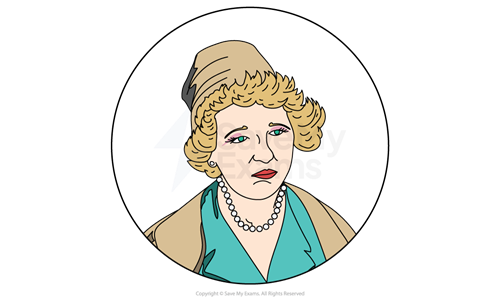
Delaney’s presentation of Helen, Jo’s mother, as a working-class single mother raises questions about society’s expectations of women
She is presented as lazy and undisciplined with no natural maternal instincts:
She is introduced in stage directions as a “semi-whore” who makes a living with “immoral earnings”
She drinks too much, neglects the home and her daughter, and seeks financial help from men
Helen’s changeable attitude to Jo reflects her turbulent life and unstable character:
She encourages Jo to pursue art, but insults her drawings
She comes to help Jo with her pregnancy, and then leaves
Helen is about 40 years old, but other characters often imply she looks older than she is:
Jo says she looks like a “well-preserved sixty”
This presents the physical effects of a working-class life
It also illustrates sexist attitudes regarding a woman’s appearance
Jo and Peter’s criticism of her is brushed off with cruel or witty remarks:
Her response is often self-deprecating:
“It takes me all my time to look after myself, I know that”
She is dramatic and self-pitying:
“It’s terrible when you’ve got a cold, isn’t it?”
A Taste of Honey: Characters: Peter Smith
Peter Smith
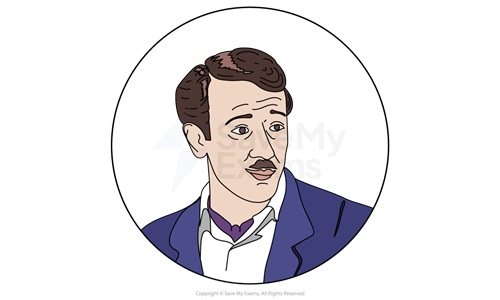
Peter Smith is introduced as a “brash car salesman” with a “cigar in mouth”
His function in the play is to represent patriarchal attitudes, materialism, and class privilege in 1950s England:
His position in life is secure, and his attitude to women is sexist
He indicates his sexual attraction to Helen while criticising her home, age, and promiscuity, calling her “fantastic” and, also, a “game old bird”
Delaney presents him as an unsympathetic middle-class man:
His insults extend to Jo, whom he calls a “snotty-nosed daughter”, old enough to look after herself, and threatens to kick Helen out if Jo comes to stay
He is homophobic to Geof, whom he calls a “little fruitcake parcel”
His relationship with Helen illustrates power imbalances regarding class and gender:
He tells Helen that she needs him and is lucky to have him
His “wallet” and “big, white house” tempt Helen to marry him
Delaney foreshadows the doomed marriage and presents him as a danger:
Jo finds pictures of other women in his wallet
His arrival at their flat is unexpected:
Jo comments that he is the reason they had to move
When Helen asks him how he found her, he replies: “Did you think you could escape me, dear?”
A Taste of Honey: Characters: Other characters
Other characters
The Boy (Jimmie)
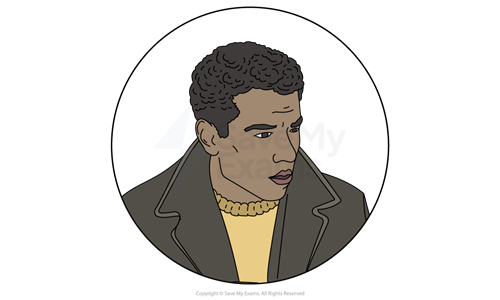
Jimmie, Jo’s boyfriend, represents themes of racial discrimination
The script refers to him as “Boy”, although Jo calls him Jimmie once in the play:
This implies his innocence and youth
It highlights his marginalisation
He tells Jo that Helen will only see him as a “coloured boy”
Delaney implies that Jo’s relationship with him is part of a rebellion against society:
While she says she does not care about his race, her comments hint at unconscious bias, and this implies she uses him to defy norms
She tells Geof he is a “Prince, son of a chieftain”
Although he is from Cardiff, Jo says he is from “darkest Africa”
Delaney presents him as well-intentioned, but unreliable
His relationship with Jo is affectionate and loving:
He is a former nurse
Jo says she does not expect to see him again when his national service takes him away from her and his unborn child
Geof Ingram

Geoffrey Ingram, or Geof, is an art student and friend of Jo:
He is a good role model to her, and offers her support and advice
He cleans her flat, advises her on motherhood, teaches her nursery rhymes, and is brutally honest with her
He is a sympathetic character who experiences prejudicial treatment as a result of his homosexuality:
He has been evicted from his flat because of his homosexuality
He is called derogatory names by Helen and Peter (“pansified little freak” and “fruitcake”)
Jo’s relationship with Geof is presented as complex to highlight the impact of discrimination:
While Jo sees Geof as a source of protection from predatory men, Geof sees marriage as a form of safety
He expresses his need for her: “Before I met you I didn't care one way or the other — I didn't care whether I lived or died”
However, Jo refuses a more intimate relationship with him: “You're nothing to me. I'm everything to myself”
Geof’s role in the play is poignant: he contributes to the dark ending that leaves them both with uncertain futures:
His departure, encouraged by Helen, happens without Jo’s knowledge
He tells Helen: “She can't cope with the two of us”, and leaves
However, the final scene shows Jo smiling and thinking of him
Sources
Delaney, Shelagh (2008), A Taste Of Honey (Edited by Glenda Leeming and Elaine Aston), Bloomsbury Academic.