Detailed Specific Example: Nairobi River
Specification link
This page covers section 1.3.9 of the CIE O Level Geography Specification.
1.3.9 - One detailed specific example to include:
the causes and impacts of pollution in a named river.
the strategies and techniques used to manage pollution levels in the river; including sustainable.
Causes of pollution in the Nairobi River
Causes of pollution in the Nairobi River
Background
The Nairobi River is 390 km long
Its source is in the Ondiri swamp to the west of Nairobi
Flowing through Nairobi, the capital city of Kenya
Over 50% of the state's population lives on the banks of the river
Much of the pollution in the river comes from the informal settlements such as Kibera and Mathare which do not have sewage or sanitation systems
This introduces pathogens into the water
The city does not have an effective waste management system
The river contains various types of pollutants as well as sewage, including:
plastics
petrochemicals
heavy metals
disinfectants
detergents
Solid waste
It is estimated that 2475 tonnes of waste is produced in the city every day
Much of this is disposed of in the river
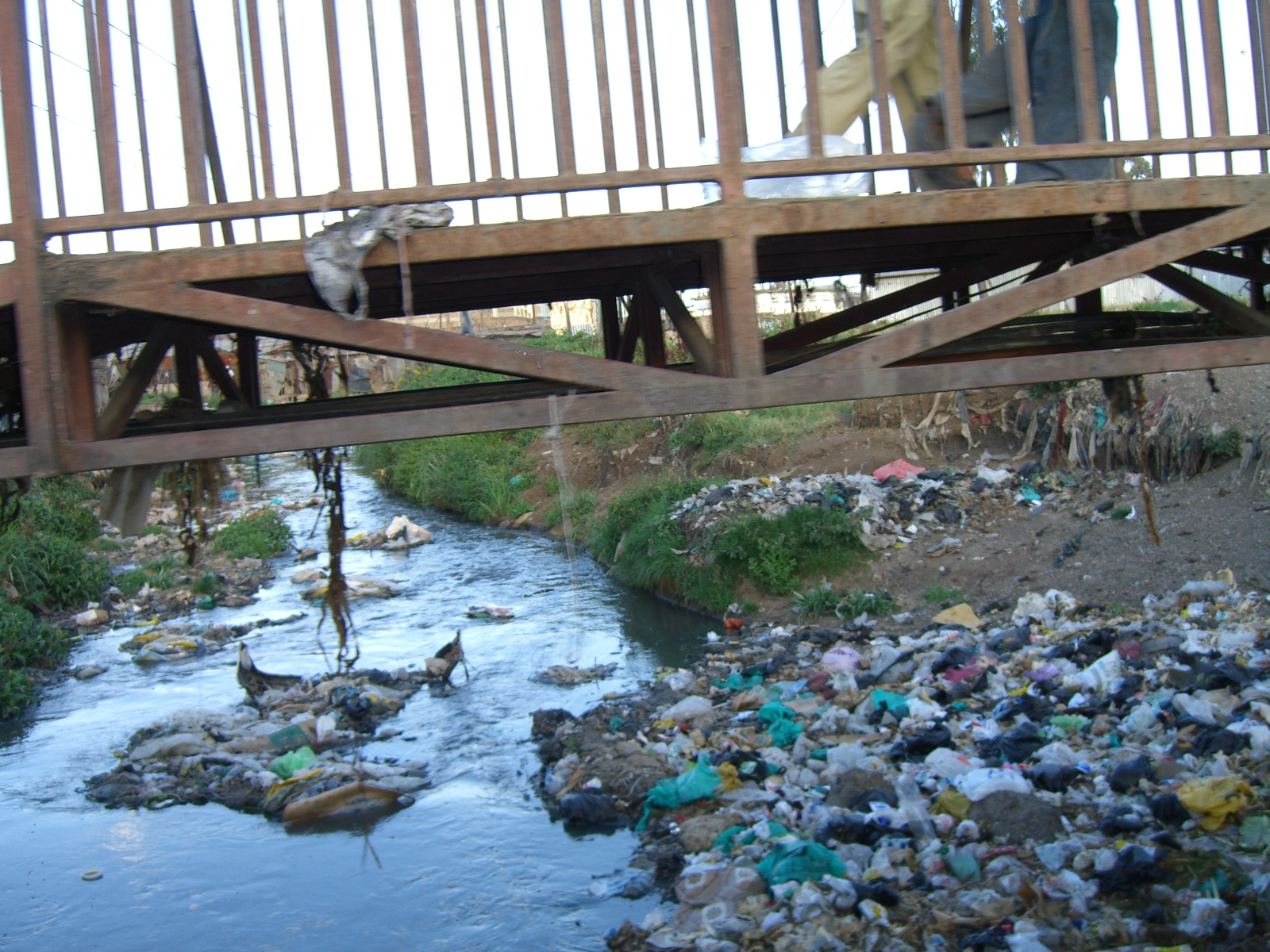
khyk54, CC BY 2.0, via Wikimedia Commons
Industrial waste
Many industries such as cloth manufacturers and tanneries dispose of waste directly into the river; these include heavy metals and toxins
Mining waste is washed into the river and its tributaries by rain
Agricultural waste
Pesticides and fertilisers used on agricultural land are washed into the river
Impacts of pollution in the Nairobi River
Impacts of pollution in the Nairobi River
The Nairobi River is the only source of water for many people living in Nairobi
It is used for cleaning, bathing, washing and watering
People are consuming the river water, which leads to a range of health issues
Bacteria from sewage can lead to diseases such as typhoid, cholera and dysentery
Heavy metals and toxins lead to an increase in rates of cancer, damage to human and animal nervous systems and birth defects
The polluted water is used to irrigate the market gardens, which also increases the risk of diseases
Fertilisers have increased eutrophication and the growth of water hyacinth
Water hyacinth grows very rapidly and can clog the waterways and harm both plant and animal life in the river
The oxygen levels in the water are reduced
The water has a foul smell and bubbles due to the presence of methane gas and hydrogen sulphide
Aquatic life and habitats are destroyed and damaged by the presence of pollutants in the water
Strategies to manage pollution in the Nairobi River
Strategies to manage pollution in the Nairobi River
Past efforts to clean the Nairobi River have failed due to a lack of:
funding
education regarding the impacts of polluting the water
enforcement
data regarding the levels of pollution
effective waste management
There is also corruption within local and national government
In February 2023, the Nairobi Rivers Commission was launched
The commission will:
Employ over 12,000 people to clean the river and plant trees
Introduce a plastic tax to help reduce plastic pollution
Involve and educate local people so they have an understanding of the impact their waste has on the river
Increased industrial regulation through the National Environment Management Authority (NEMA)
This requires industries to remove waste before discharging into the rivers
Monitoring and fines have helped reduce toxic waste levels
Community based clean up programmes such as Clean up Kenya which:
Organises regular river cleaning activities
Educates residents about proper waste disposal practices
The Nairobi River Regeneration and Engineering Works Programme was introduced in March 2025
This aims to build sewage pipes and treatment plants to prevent untreated wastewater entering the river
There is also work underway to improve the city's sewerage system with sewage treatment plants such as the Ruai sewage treatment works