Ledgers
The ledger
The ledger
What is the ledger?
The ledger is a collection of all the accounts for a business
It could be a book where each account is on a new page
It could be a spreadsheet file where each account is on a new sheet
Accounting software could be used to manage the ledger accounts
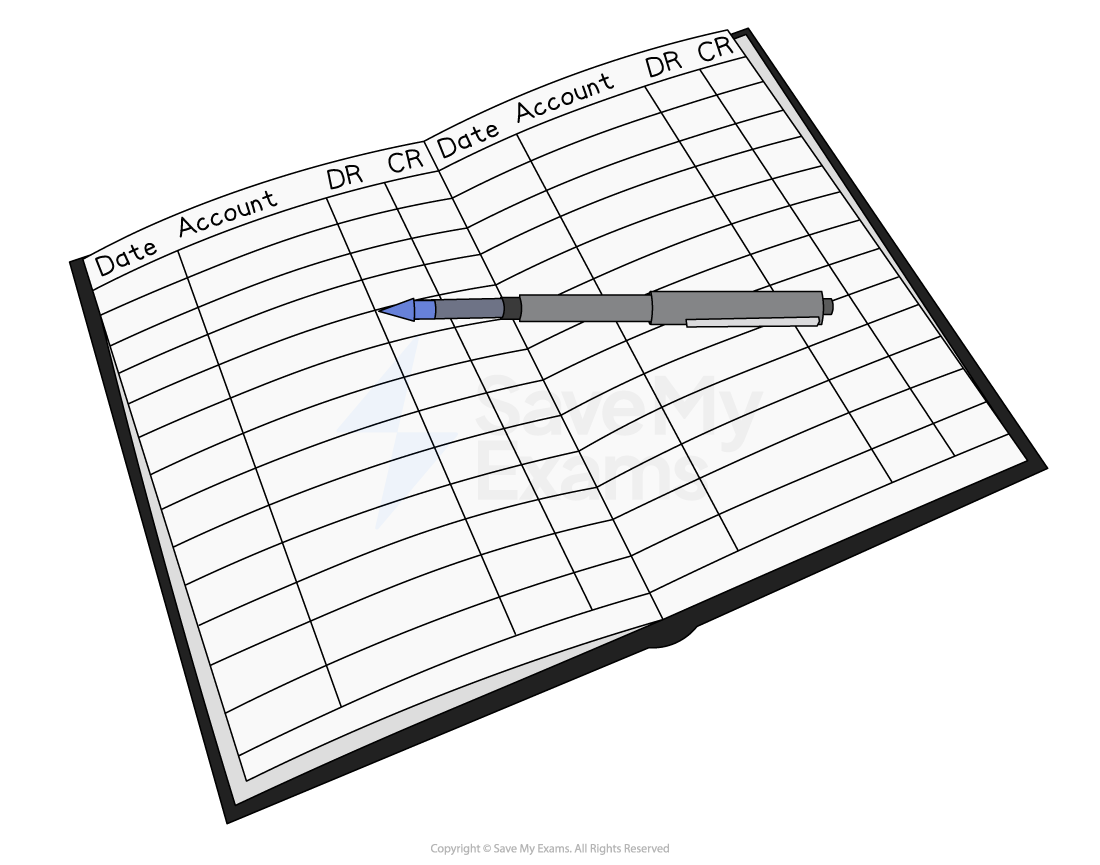
The accounts in the ledger are referred to as ledger accounts
The ledger is divided into three separate ledgers
The sales ledger
The purchases ledger
The nominal (general) ledger
Why is the ledger divided into three sections?
Dividing the ledger means that the work can be shared amongst several people
It is easier to find and check information
The same types of accounts are kept together
It can help to reduce the possibility of fraud
If different people work with different ledgers then missing or incorrect information will be easier to find
What is the sales ledger?
The sales ledger is a collection of the accounts for all of the credit customers
These are the trade receivables accounts
The sales account itself does not go into the sales ledger
It goes in the nominal ledger
What is the purchases ledger?
The purchases ledger is a collection of the accounts for all of the credit suppliers
These are the trade payables accounts
The purchases account itself does not go into the purchases ledger
It goes in the nominal ledger
What is the nominal (general) ledger?
The nominal ledger is a collection of all accounts of a business except for the accounts for credit customers and credit suppliers
It is also known as the general ledger
The most common accounts in the nominal ledger are:
Sales account
Purchases account
Sales returns account
Purchases returns account
Carriage inwards account
Carriage outwards account
Discount allowed account
Discount received account
An account for each other expense
An account for each other income
Cash and bank accounts
Capital account
Drawings account
Inventory account
An account for each type of non-current asset
An account for each liability