Naming Organic Compounds
Naming Organic Compounds
Naming Organic Compounds
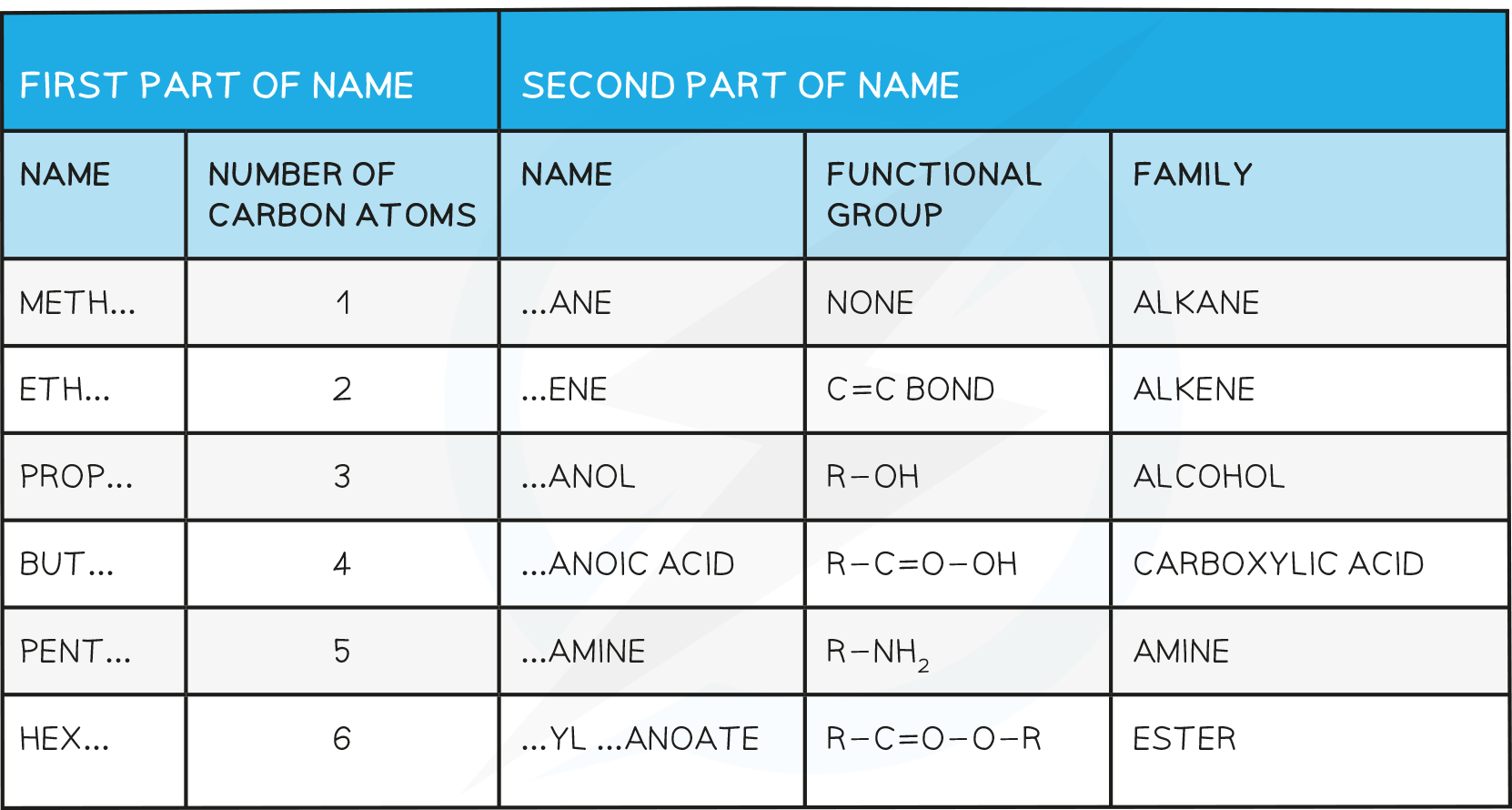
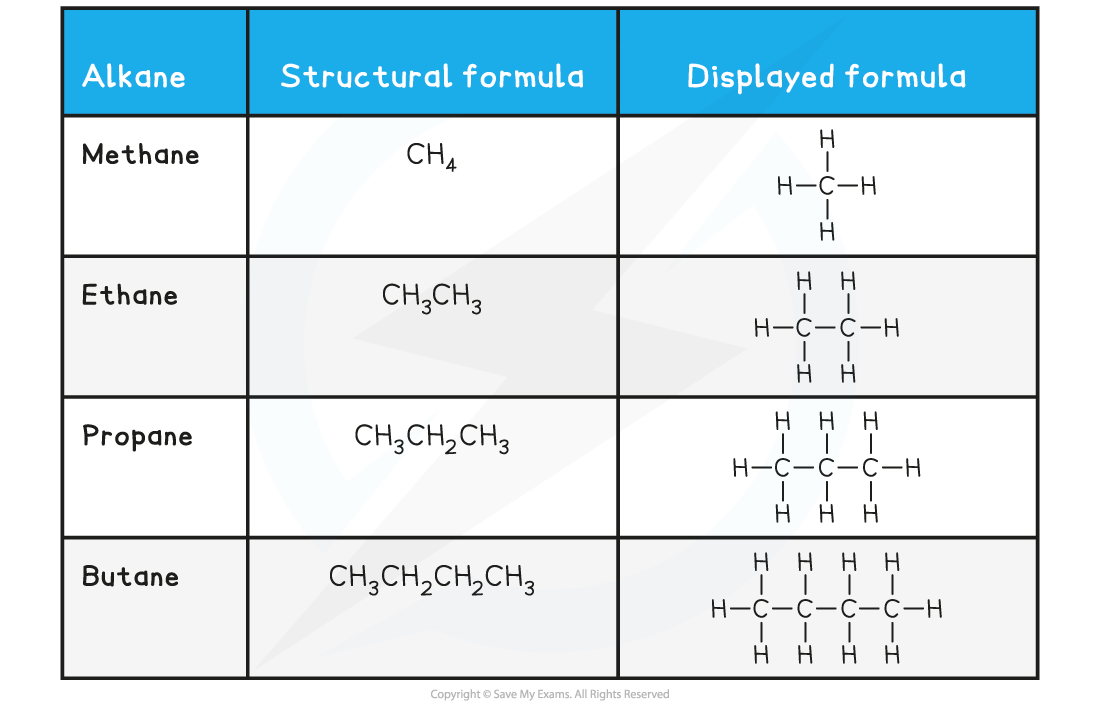
The names of organic compounds have two parts: the prefix (or stem) and the end part (or suffix)
The prefix tells you how many carbon atoms are present in the longest continuous chain in the compound
The suffix tells you what functional group is on the compound
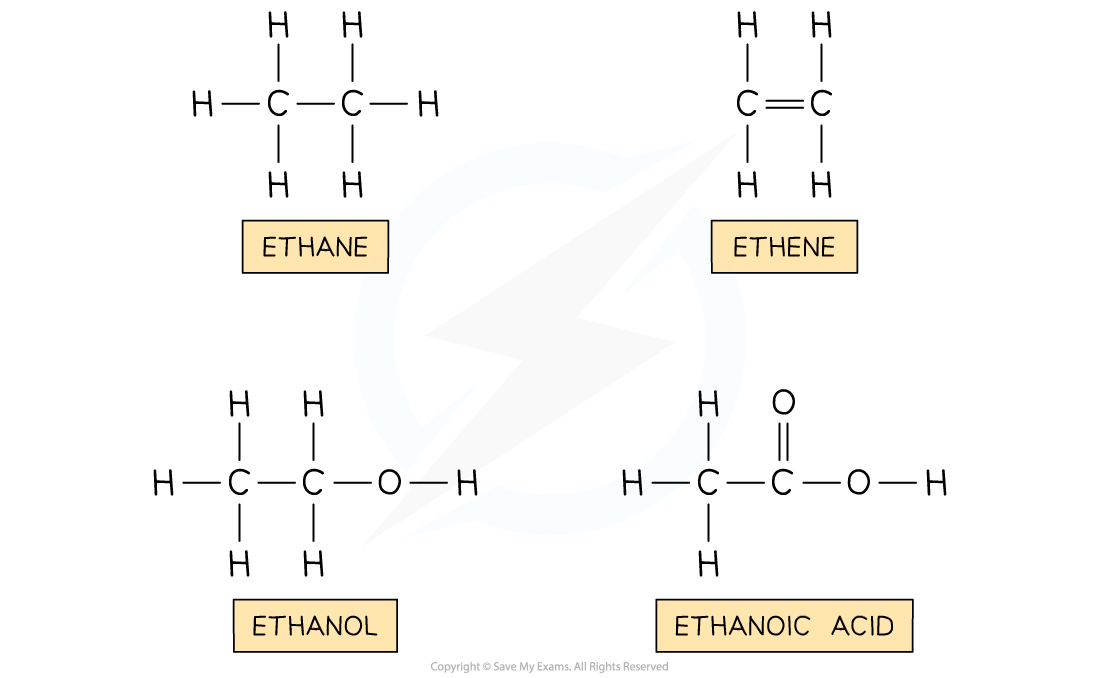
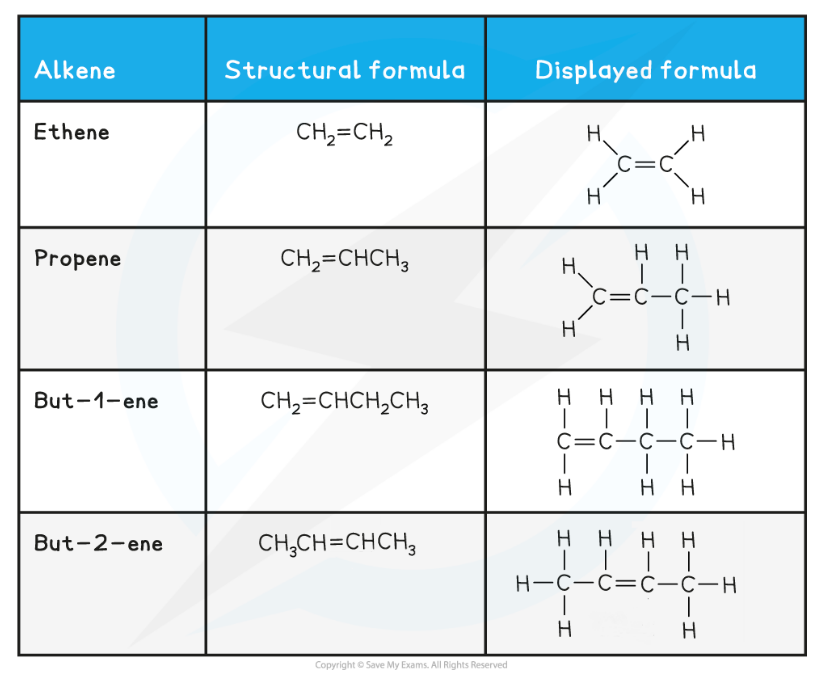
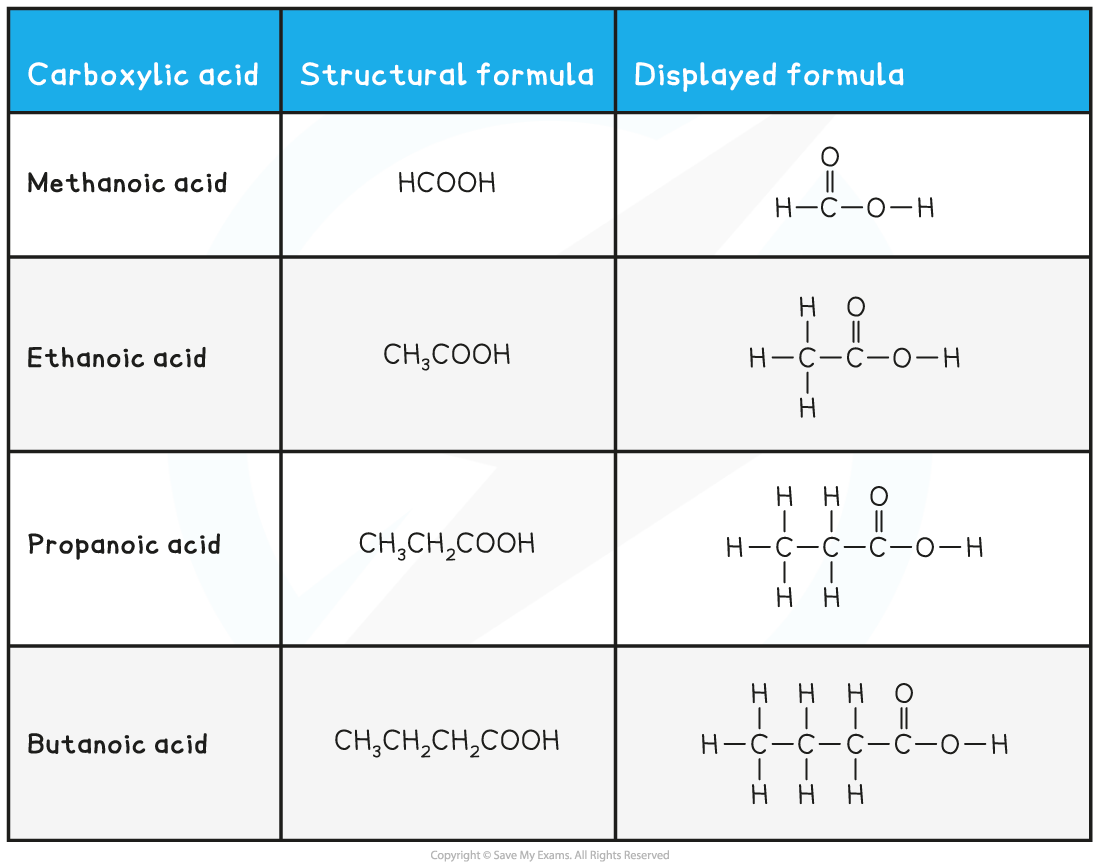
Structures of organic compounds
Further Rules for Naming Compounds
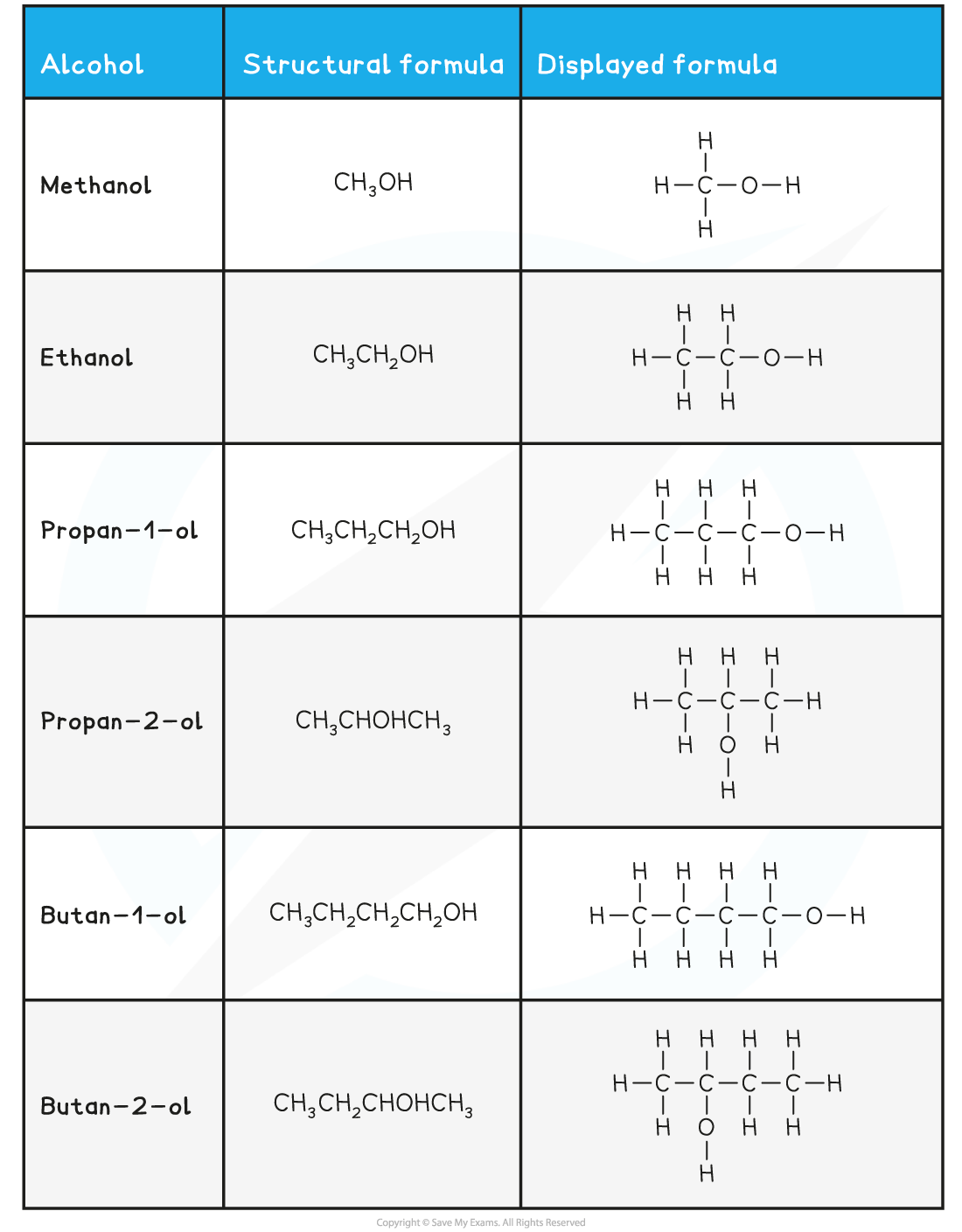
When there is more than one carbon atom where a functional group can be located it is important to distinguish exactly which carbon the functional group is on
Each carbon is numbered and these numbers are used to describe where the functional group is
For example:
Propan-1-ol is alcohol with an -OH functional group
The 2 in the name indicates that the -OH group is located on the second carbon atom
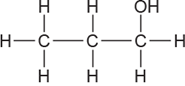
In propan-1-ol the -OH group is located on the first carbon atom
Alkanes
Alkenes
Alcohols
Carboxylic acids
Naming Esters
Naming Esters
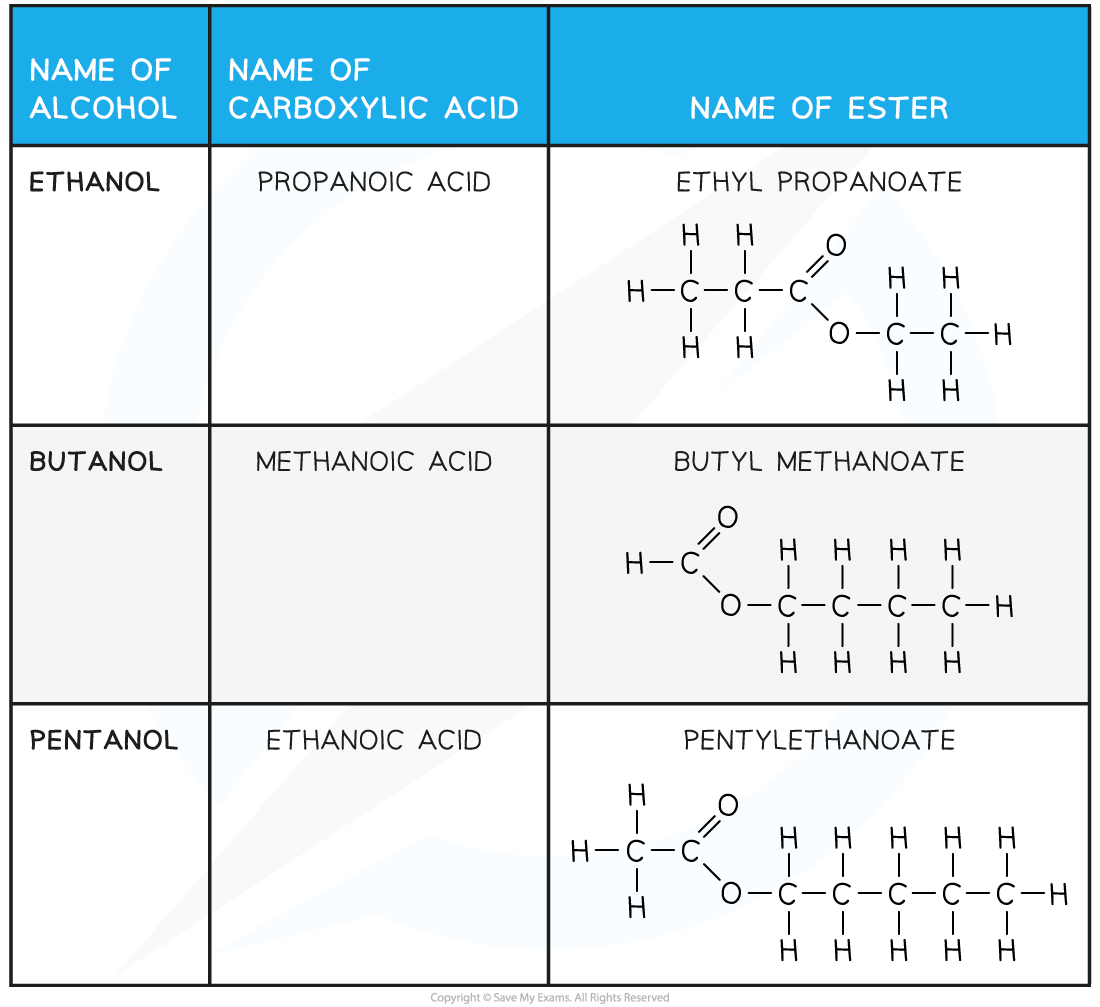
An ester is made from an alcohol and carboxylic acid
The first part of the name indicates the length of the carbon chain in the alcohol, and it ends with the letters ‘- yl’
The second part of the name indicates the length of the carbon chain in the carboxylic acid, and it ends with the letters ‘- oate’
e.g. the ester formed from pentanol and butanoic acid is called pentyl butanoate
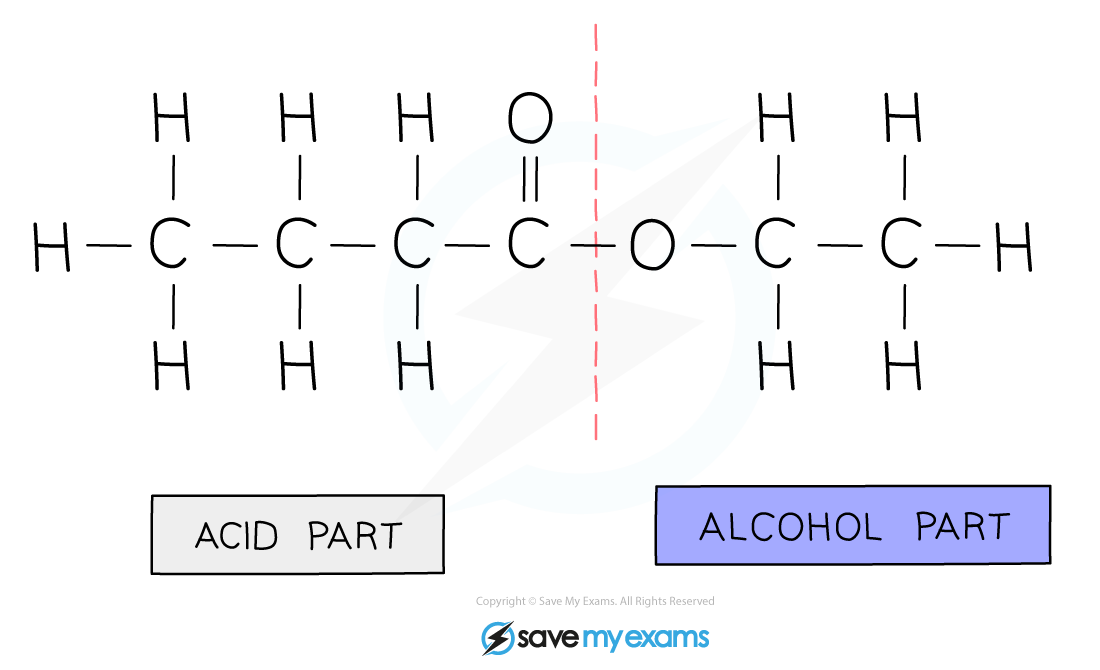
Diagram showing the origin of each carbon chain in ester
Some examples of common esters:
Table showing the Formation of Esters