The US Reaction to Soviet Expansionism
The Truman Doctrine
The Truman Doctrine
Greece and Turkey were struggling to prevent a Communist takeover of their governments
They faced a civil war between monarchists and Communists
In 1947, Britain announced it could no longer provide military support to the Greek government
Truman worried about the spread of Communism
He decided to take action
On 12th March 1947, Truman announced that the USA would send $400 million to both Greece and Turkey
Truman spoke about how nations have two alternative ways of life:
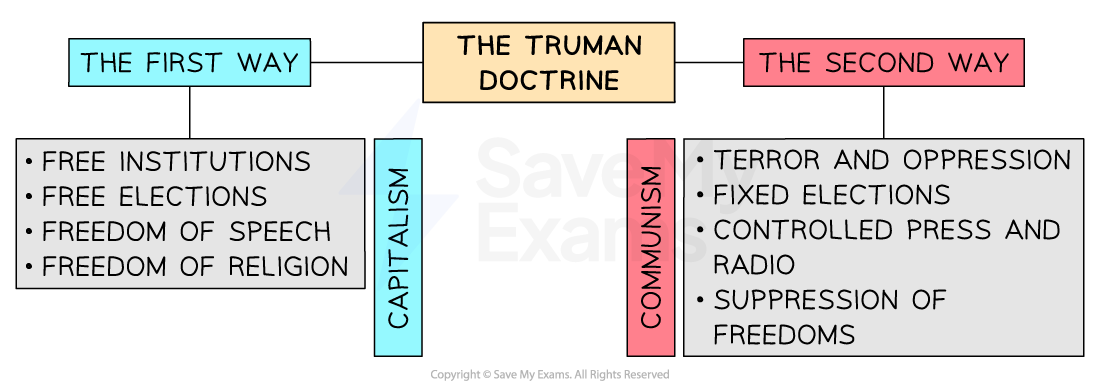
The Truman Doctrine promised to provide any country vulnerable to Communism
Money
Supplies
Weapons
Advice
By 1949, the Greek government defeated the Communists
This was a new approach to US foreign policy
Before the Second World War, the USA had followed a policy of isolationism
They refused to get involved in other countries' affairs
The Truman Doctrine replaced isolationism with containment
Marshall Aid
Marshall Aid
Truman hoped that countries would choose the ‘first way’ of his doctrine
US General George Marshall visited Europe. He told Truman that:
‘Every’ country in Europe was at risk of turning to Communism
The Second World War had caused significant destruction
Many people saw Communism as a way to redistribute wealth and improve their lives
The USA should provide these countries with economic aid
Aid would persuade these countries away from Communism
Truman enacted Marshall’s proposals
The US Congress passed the Marshall Plan after Czechoslovakia became communist in 1948
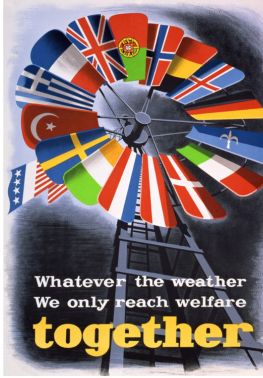
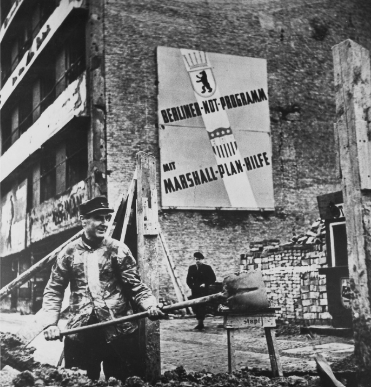
What Economic Benefits Did the Marshall Plan Provide?
Before the plan, the USA gave $12.7 billion to other countries
The Marshall Plan gave away $13 billion to 16 European countries in Western Europe:
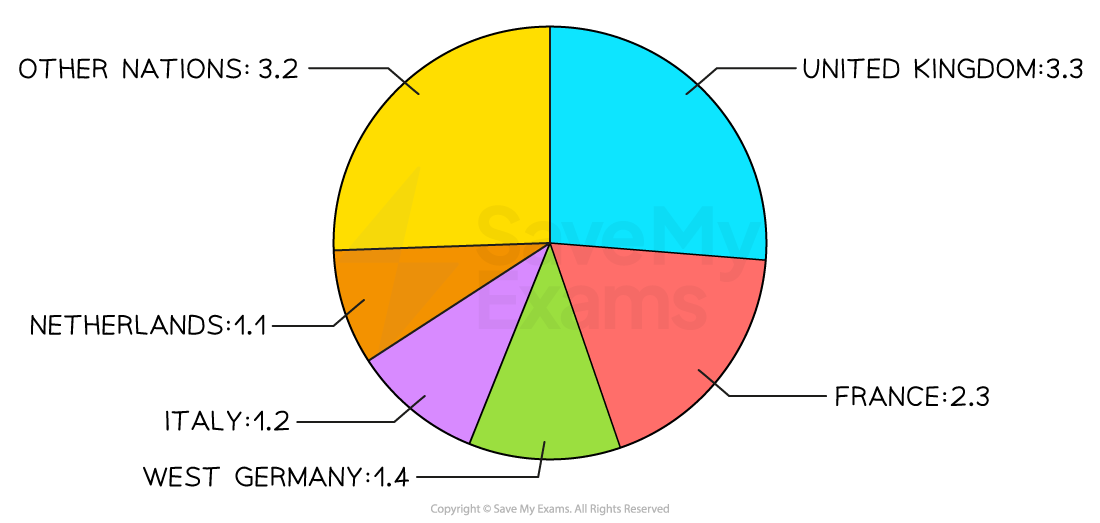
The amount of Marshall Aid was based on a country’s
Population
Pre-war economy
British Foreign Secretary Ernest Bevin described the Marshall Plan as a:
The Marshall Plan was offered to the satellite states of Eastern Europe
Truman knew that Stalin would not allow them to accept the money
The Impact of the Truman Doctrine and Marshall Aid
Stalin believed that the Truman Doctrine and Marshall Plan was
A threat to communism and the USSR
Taking the role away from the United Nations, which should be the group providing money to other countries
Stalin called the Marshall Plan ‘dollar imperialism’
The USSR believed that the USA was using money to expand its ‘empire’
The USA wanted Europe to embrace free market capitalism and democracy
Marshall Aid would make European countries wealthy enough to buy US exports
Building European economies would prevent another Great Depression
The Marshall Plan had divided the West from the East:
Satellite states were in support of the USSR
Recipients of the Marshall Plan supported the USA
The Truman Doctrine and Marshall Plan increased Cold War tensions