Sole Traders & Partnerships
Sole traders
Sole traders
When an entrepreneur starts a business, they will often start operating as a sole trader
This is a business with a single owner, who may choose to hire employees or operate alone
They are easy to set up and start trading
Information about their financial performance does not need to be shared outside of the business
Over time, or if the business requires significant investment, they may change the legal structure of the business
Examples of sole trader businesses
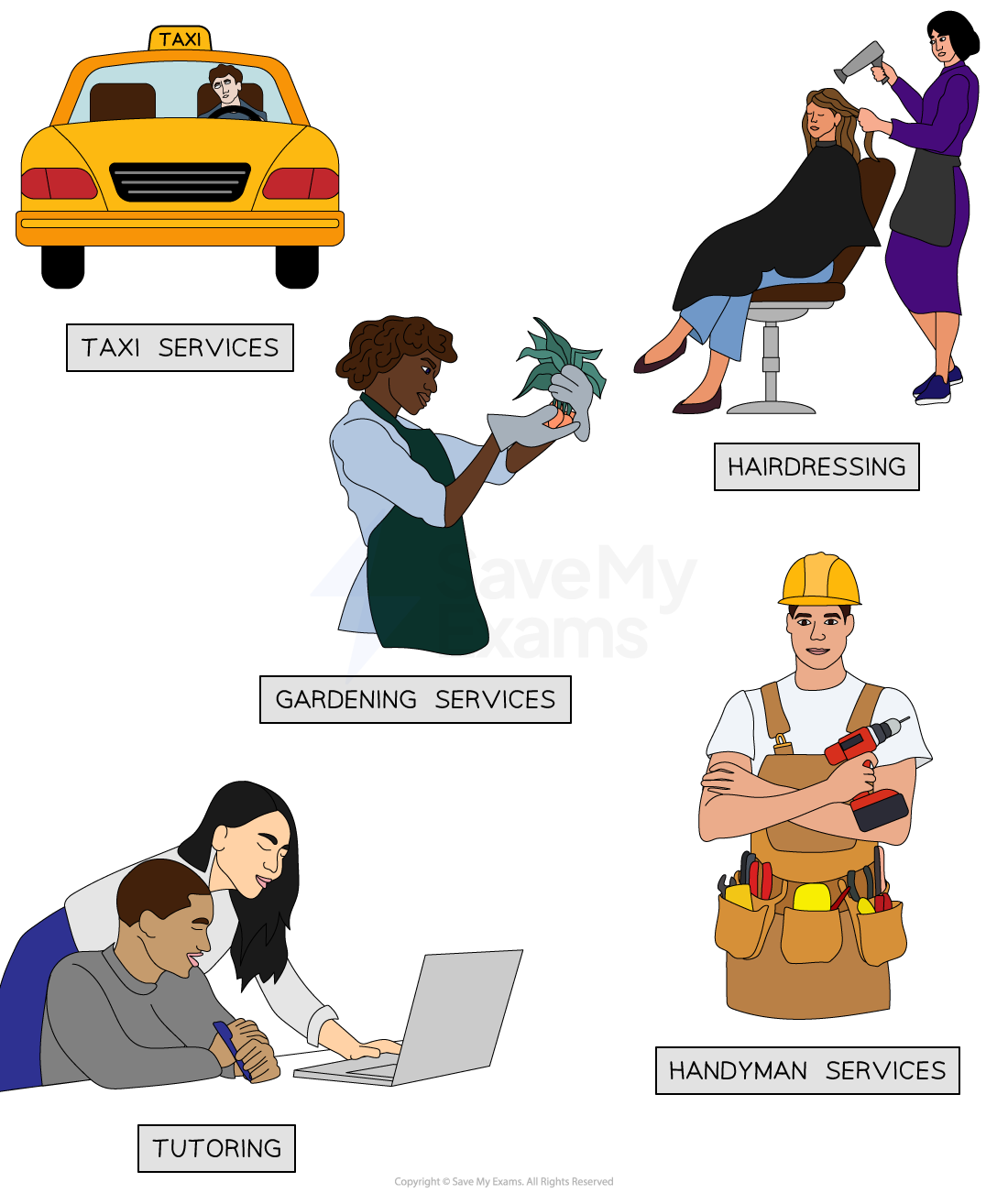
Evaluating sole trader businesses
Advantages | Disadvantages |
|---|---|
|
|
Partnerships
Partnerships
A partnership is a formal arrangement by two or more entrepreneurs to manage and operate a business and share its profits
Partnerships are often formed to gain more funding, increase capacity or increase skills and experience in the business
Common partnerships include law firms, accountancy businesses and small-scale construction businesses
Partnerships can often be identified by suffixes such as '& Son' or 'and Partner'
Evaluating partnership businesses
Advantages | Disadvantages |
|---|---|
|
|
Unlimited liability
Unlimited liability
Unlimited liability means that the business owner is personally responsible for all of the business’s debts and losses
If the business cannot pay what it owes, the owner’s personal assets (like savings, car, or house) can be used to settle debts
Sole traders and partners have unlimited liability for any debts incurred by the business
They are are also legally responsible for any unlawful acts committed by those connected to the business
Implications of unlimited liability
There is no legal distinction between the owners and the business
As a result, these business owners may have to use their personal assets to pay debts or legal fees
For example a sole trader may need to sell their own home to pay creditors if their business fails
Owners are likely to be cautious, avoiding big decisions that could lead to debt
It can make it harder to attract investors, as the risk is higher for the owner
Borrowing money from banks may also be more difficult or require personal guarantees