Ripple Tank
Investigating Waves with a Ripple Tank
Investigating Waves with a Ripple Tank
Ripple tanks are commonly used in experiments to demonstrate the following properties of water waves:
Reflection at a plane surface
Refraction due to a change in speed caused by a change in depth
Diffraction due to a gap
Diffraction due to an edge
Ripple Tank Apparatus
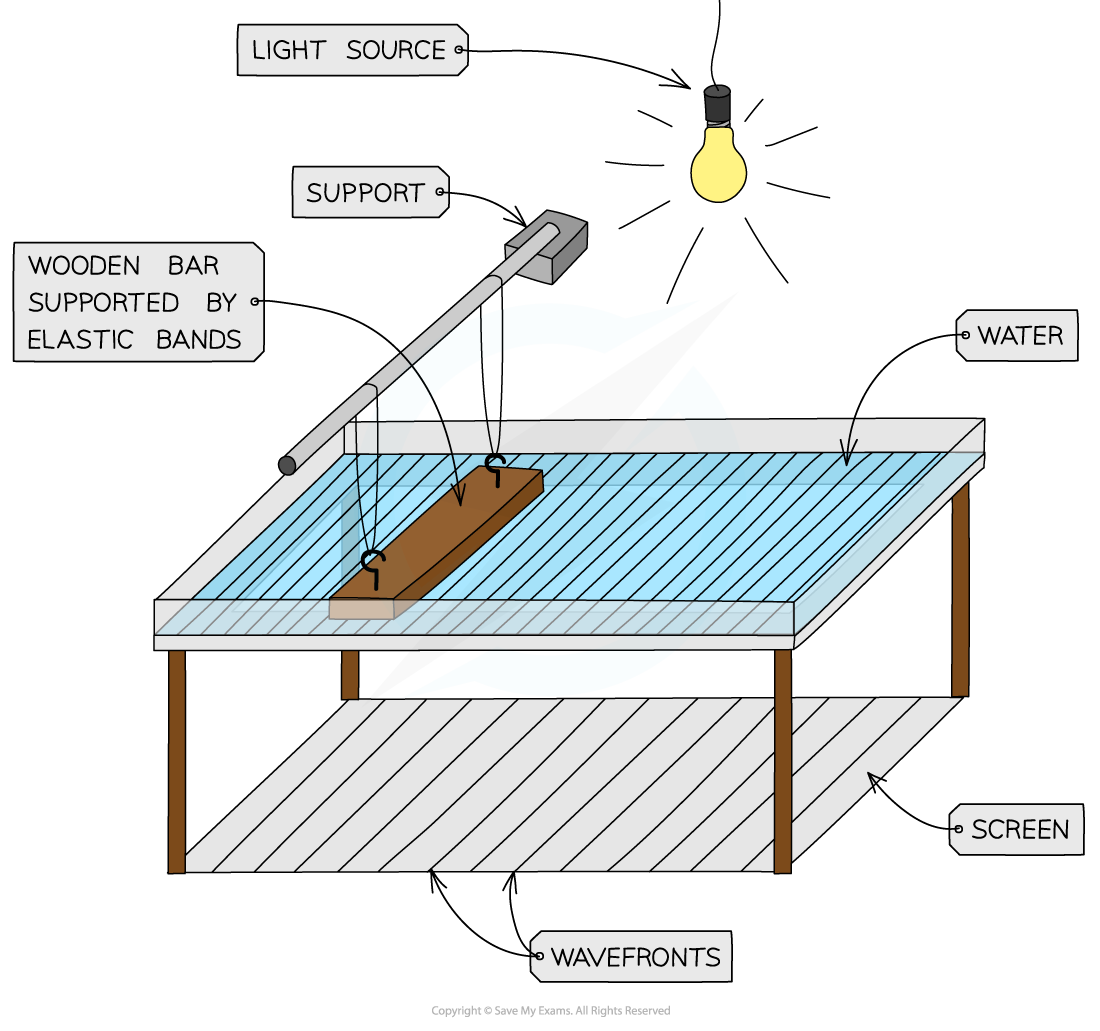
Reflection, refraction and diffraction can be demonstrated using a ripple tank
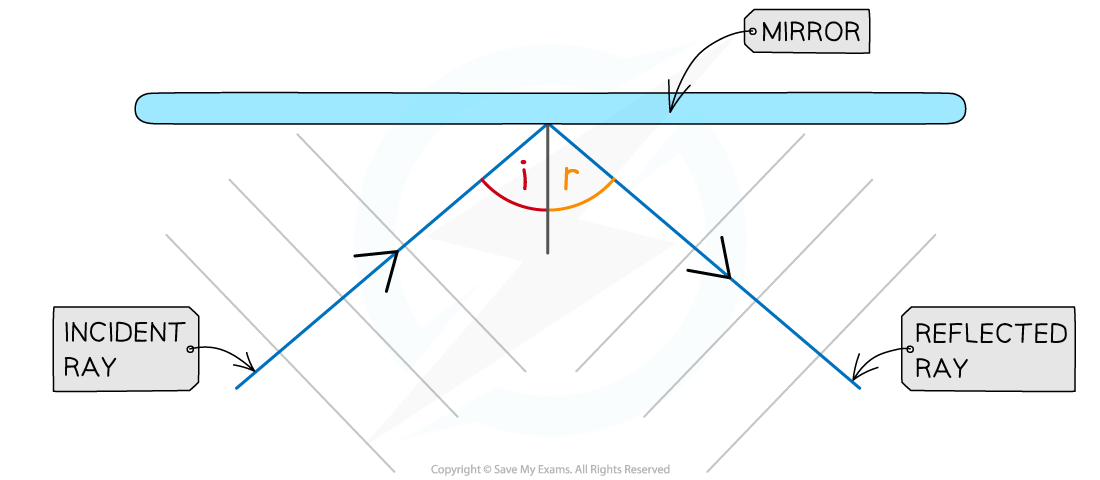
Investigating Reflection
Reflection can be shown by the waves hitting a plane (straight) surface, such as a wall or mirror
Reflection in a Ripple Tank
Investigating Refraction
Refraction can be shown by placing a glass block in the tank
The glass block should sit below the surface of the water and cover only some of the tank floor
The depth of water becomes shallower here the glass block is placed
Since speed depends on depth, the ripples slow down when travelling over the block
This is a good model of refraction showing how waves slow down when passing from deep water into shallow water
Refraction in a Ripple Tank
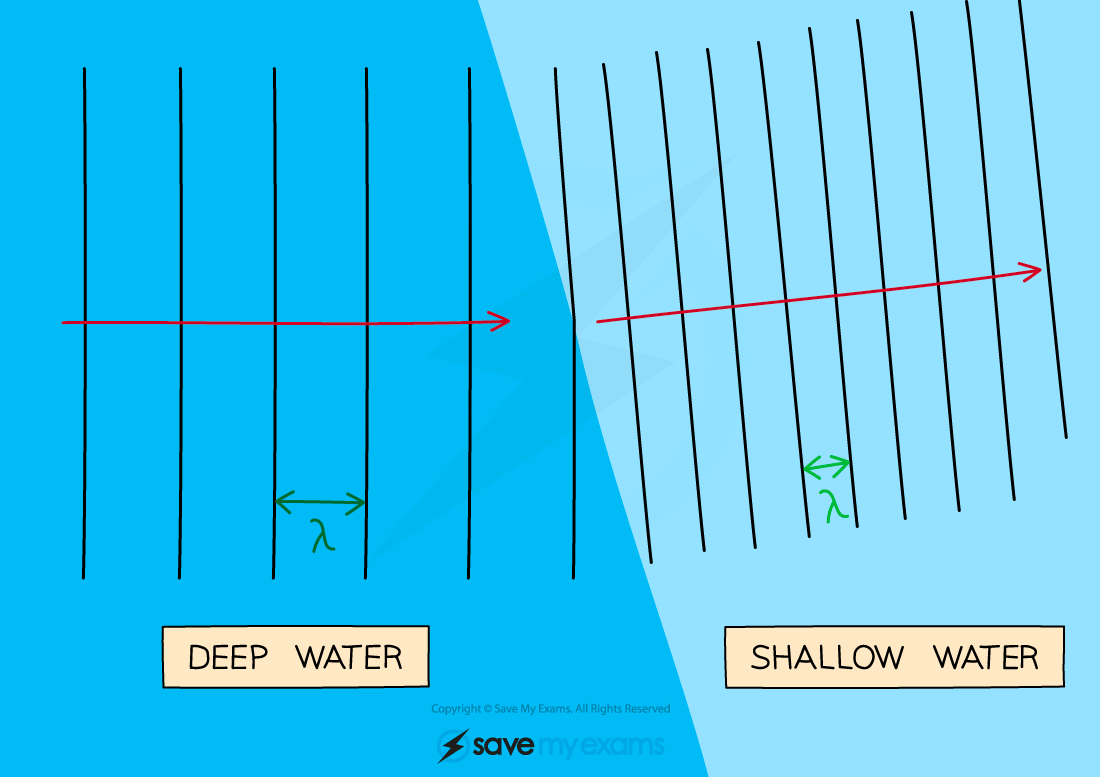
When water waves travel from deep areas to shallow areas they slow down
Investigating Diffraction
Diffraction can be shown in a ripple tank by placing small barriers and obstacles in the tank
As the water waves encounter two obstacles with a gap between them, the waves can be seen to spread out as follows:
Diffraction through a Gap in a Ripple Tank
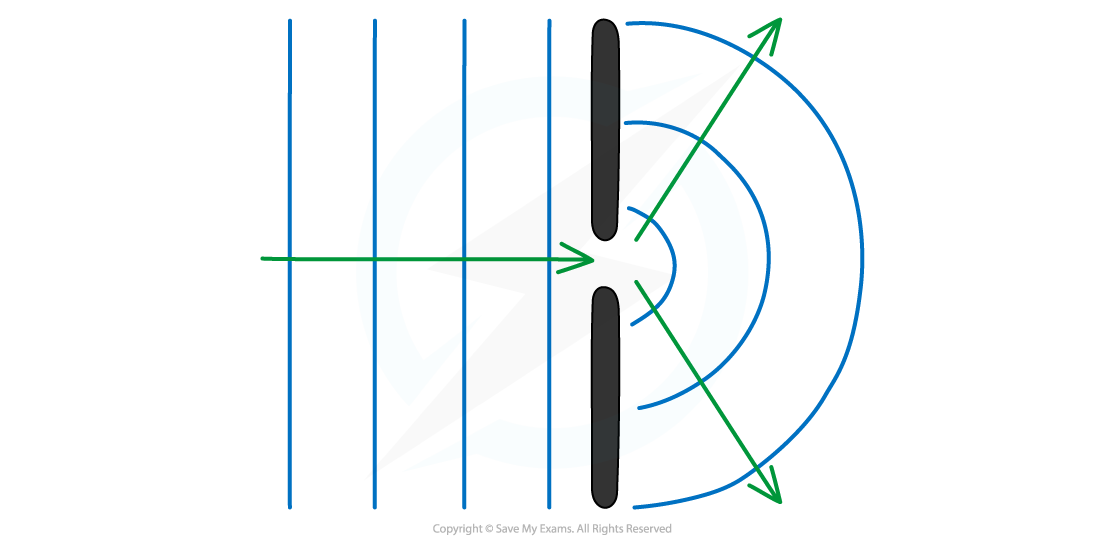
Diffraction of water waves through a gap
As the water waves encounter the edge of an obstacle, the waves can be seen to spread out as follows:
Diffraction round an Edge in a Ripple Tank
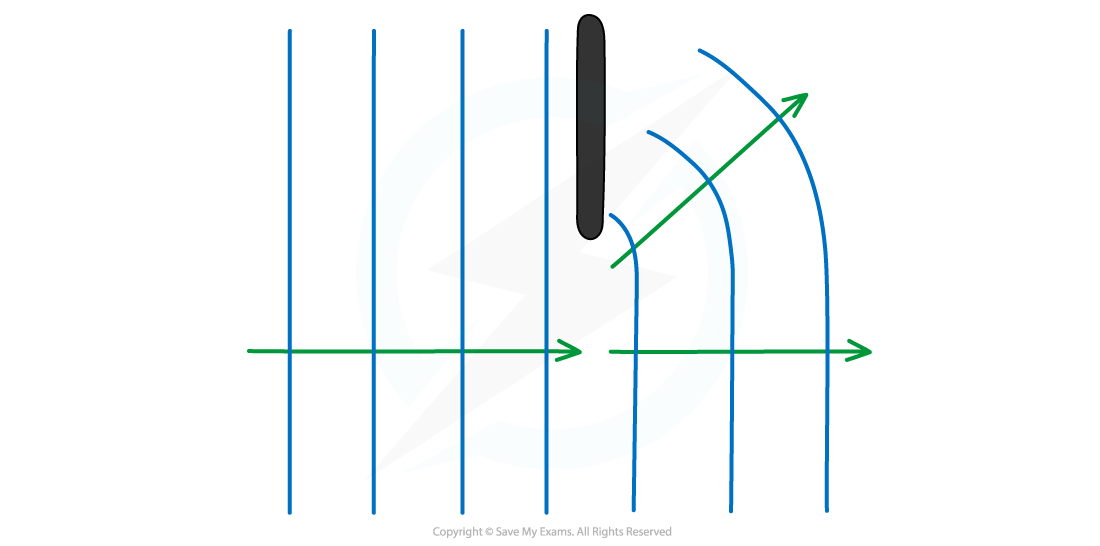
Diffraction of water waves after passing an edge
The amount of diffraction depends on the size of the gap compared to the wavelength of the water wave
The diagram below shows how the wavelengths differ with frequency in a ripple tank
The higher the frequency of the motor, the shorter the wavelength
The lower the frequency of the motor, the longer the wavelength
Generating Waves in a Ripple Tank
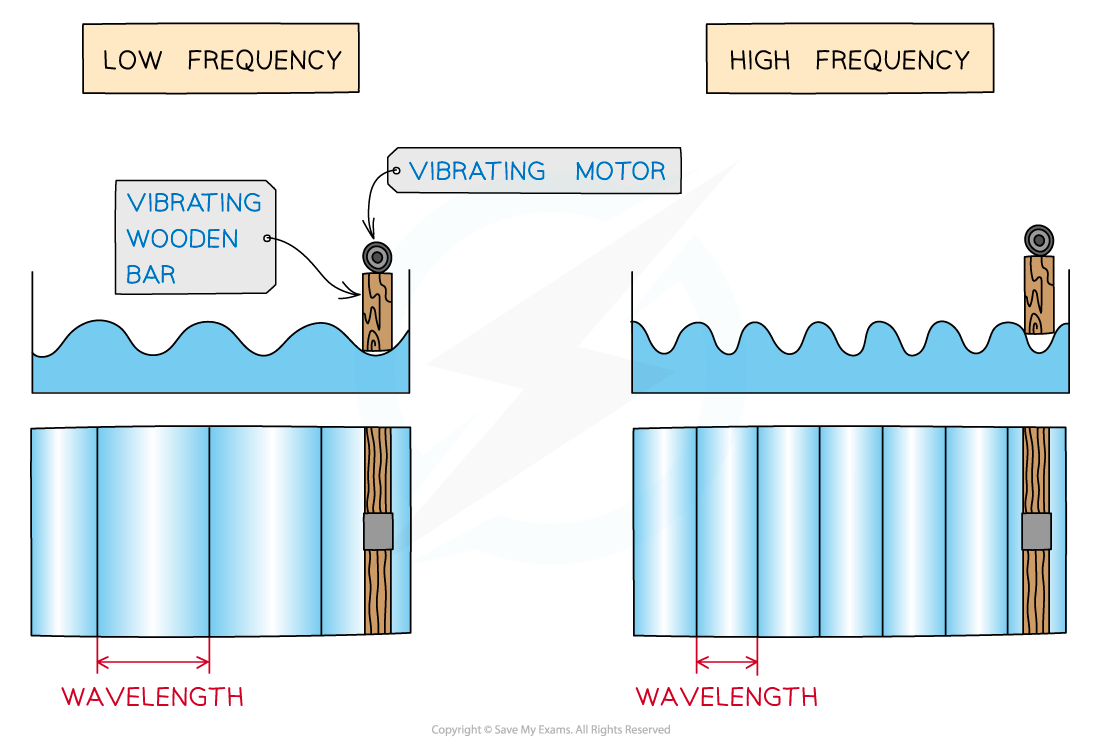
Ripple tank patterns for low and high frequency vibration