Mass Markets & Niche Markets
Mass markets
Mass markets
In mass markets, products are aimed at broad market segments
Mass marketing occurs when businesses sell their products to most of the available market
Production usually happens on a large scale
Products are generally standardised with little differentiation
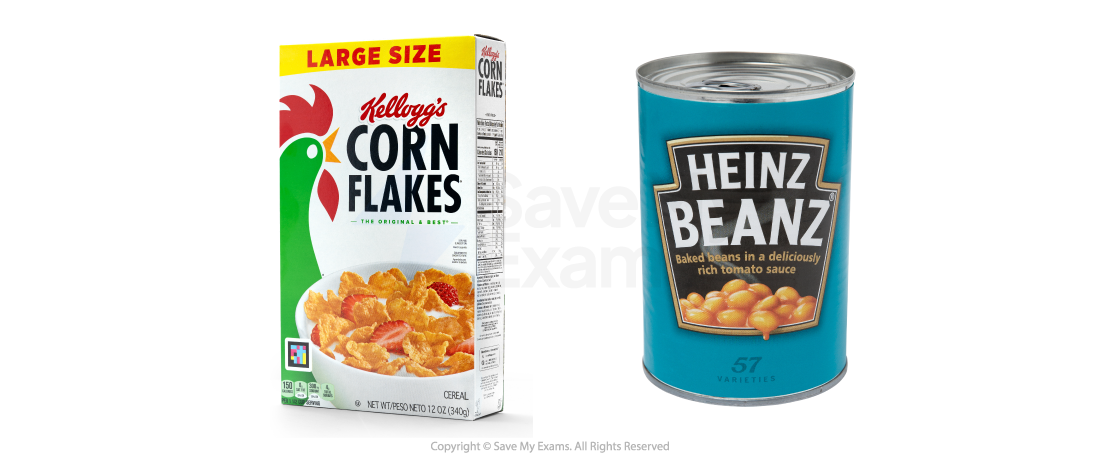
Examples of mass market brands
Evaluating mass markets
Advantages | Disadvantages |
|---|---|
|
|
Niche markets
Niche markets
In niche markets, products are aimed at a small subset of the larger market, e.g. gluten-free products
Niche marketing occurs when businesses identify and satisfy the demands of a small group of consumers within the wider market
Production usually happens on a small scale
Products may be made to order or produced with very specific customer needs in mind
Examples of niche market brands

Some niche markets become mass markets as large businesses start to realise the potential for growth
For example, energy drinks started out as ‘niche products’ aimed at fitness enthusiasts, but as prices have fallen and more choices are available, they have become mass-market products
Evaluating niche markets
Advantages | Disadvantages |
|---|---|
|
|