The Role of Marketing
Identifying and satisfying customer needs
Identifying and satisfying customer needs
Marketing helps a business identify and satisfy the needs and wants of its customers
Identifying customer needs involves finding out about the
Variety and quality of goods and services that customers want
Prices they are willing to pay
Promotional techniques that may persuade them to make repeated purchases
Convenience factors, including where and how they want to purchase products
After-sales services they anticipate
Satisfying these customer needs involves ensuring products are available when and where customers want to buy them, at a suitable price, at the quality expected and with effective customer service
The benefits of identifying customer needs
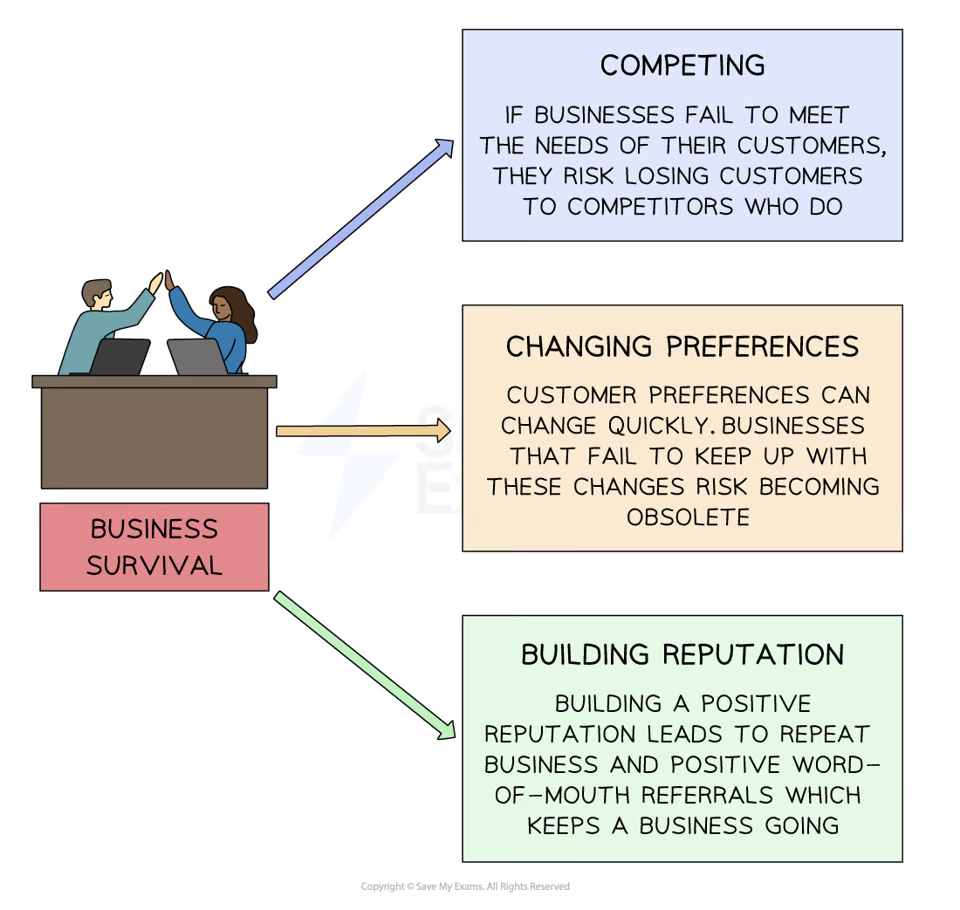
Businesses that successfully identify and satisfy customer needs
Compete more effectively than rival businesses
Keep up-to-date with changing tastes and preferences
Attract positive word-of-mouth recommendations and build the brand
Benefits of satisfying customer needs
Customer need | Explanation | Benefit to the business |
|---|---|---|
Price |
|
|
Quality |
|
|
Choice |
|
|
Convenience |
|
|
Maintaining customer loyalty and building relationships
Maintaining customer loyalty and building relationships
Customer loyalty is when existing customers buy products from the same business over and over again
Customer loyalty leads to repeat purchases and a rise in market share.
It is much cheaper for a business to try to keep existing customers (for example, with loyalty cards) than to try to gain new customers, as this can involve expensive advertising campaigns
Building customer relationships involves communicating with customers to encourage them to become loyal to the business and its products
Good relationships are maintained by
Developing close ties with customers and finding out if products are continuing to meet their needs
For example, using surveys to discover if preferences are changing
Using technology to gather important information about customers
By having strong relationships with the customer, the business can respond appropriately when customers change their expectations
Anticipating changes in customer needs
Anticipating changes in customer needs
Predicting what customers will want or need in the future helps a business stay ahead of competitors and continue meeting customer expectations
The role of marketing in anticipating customer needs
Market research
Surveys, focus groups and sales data help businesses understand what customers want now and in the future
For example, McDonalds uses customer feedback and sales data to test new menu items like the McPlant burger, designed for the growing demand for plant-based food
Product development
Teams use this research to improve or create products that meet changing needs
For example, Apple developed AirPods after noticing customer demand for wireless and portable earphones, especially among smartphone users who wanted more convenience
Promotions
These can be adjusted to demonstrate how products match new customer values or interests
For example, Coca-Cola launched its World Without Waste campaign and promoted its recycled plastic bottles to appeal to environmentally conscious consumers
Pricing strategies
These may change if customers become more price-conscious
For example, Netflix introduced a lower-cost plan in some countries to attract budget-conscious viewers during a time when many households were cutting back on spending