Methods of Production
Introduction to methods of production
Introduction to methods of production
Businesses can organise their production processes in a variety of ways
The method of production used by a business will depend upon a number of factors
The level of output required to be produced
The nature of the product
Whether the product is standardised or customised
The level of automation used in production
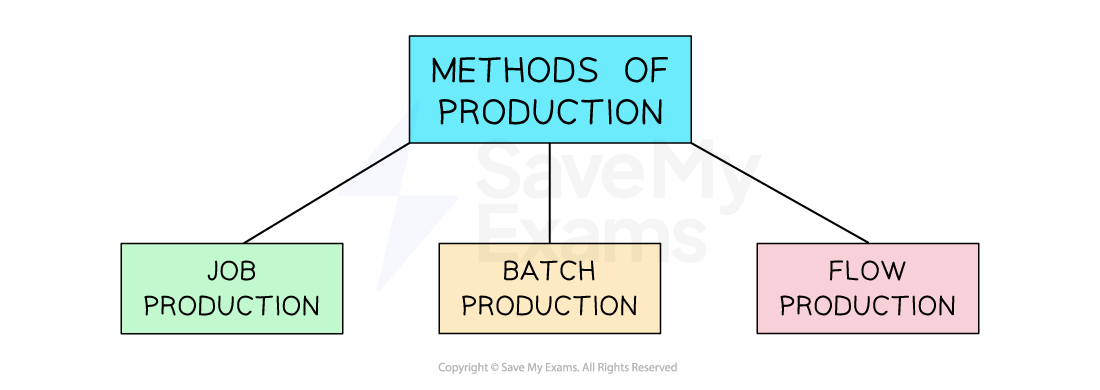
Job production
Job production
Job production is where products are made to meet the specific requirements of individual customers
Each item is produced separately, and the production process is tailored to the unique specifications of the customer's order
It often requires skilled labour, such as craftspeople or technicians, as the manufacturing process may involve specialised techniques
Examples of job production
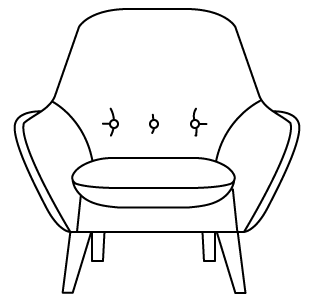
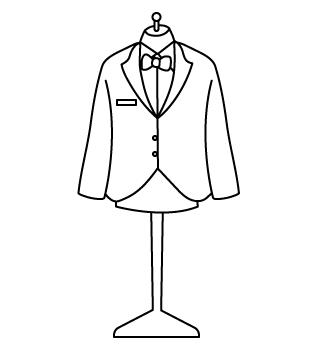
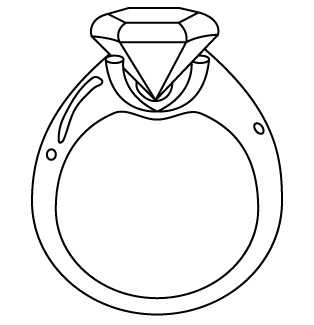
Furniture made to order Where customers can choose the design, dimensions, materials and finishes | Tailored clothing Such as wedding suits, where each garment is made to fit the specific preferences of the individual customer | High-end jewellery Especially those with unique designs or personalised engravings |
 |  |  |
Advantages and disadvantages of job production
Advantages | Disadvantages |
|---|---|
|
|
Batch production
Batch production
Batch production is when products are produced in groups or batches
A certain quantity of products is produced together before moving on to the next batch
Each batch goes through the entire production process, from raw materials to the finished product, before the next batch begins
Batches are usually of a standardised size and composition and follow a certain sequence of operations
Goods made using batch production
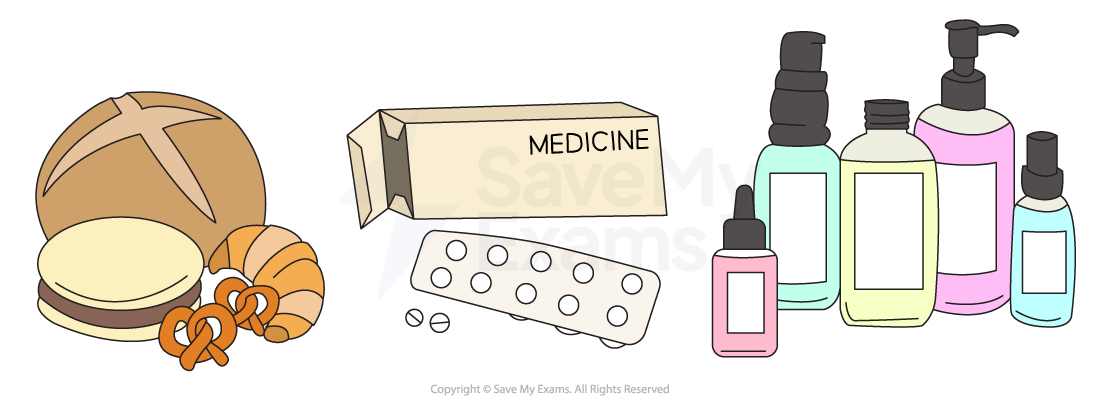
Batch production strikes a balance between customisation and cost-effectiveness
This makes it a suitable production method for industries that deal with diverse product ranges and varying customer needs
Advantages and disadvantages of batch production
Advantages | Disadvantages |
|---|---|
|
|
Flow production
Flow production
Flow production involves the manufacture of a product in a continuous sequence of operations on a production line
Materials or components move through a series of workstations or machines
Each workstation performs a specific task or operation
As a product moves along the production line, it undergoes assembly, testing, packaging or quality control until it is completed
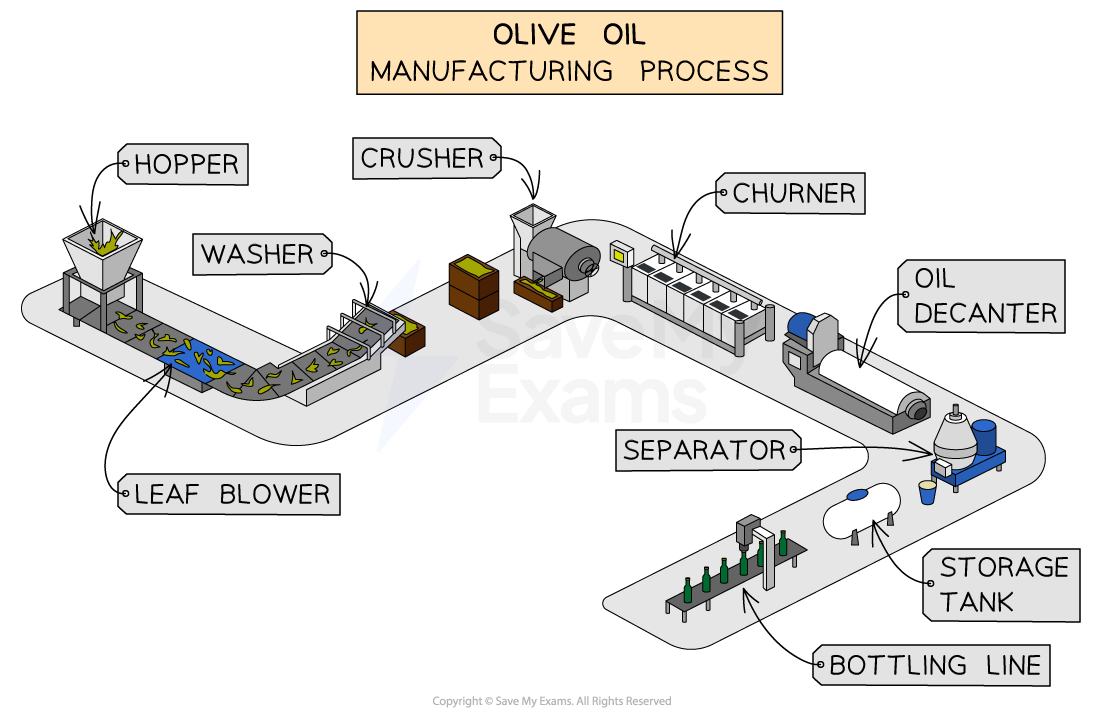
This method is commonly used in industries that produce high volumes of standardised products, such as vehicles and consumer electronics
Advantages and disadvantages of flow production
Advantages | Disadvantages |
|---|---|
|
|
Recommending a suitable method of production
Recommending a suitable method of production
The choice of production method depends on a range of factors, including the type of product, customer demand, available resources and the skills of the workforce
Choosing the right production method helps a business produce efficiently and meet customer needs
Factors affecting the choice of production method
Factor | Explanation |
|---|---|
Type of product |
|
Level of demand |
|
Availability of capital and equipment |
|
Skilled labour availability |
|