The Impact of Technology on Production
Technology & Production
Technology and production
New technology is revolutionising flexibility in design and production
Two examples of this are
The use of computer aided design (CAD)
The use of 3D Printers
1. Increased use of computer aided design
The use of computers in design has transformed production by making it faster, more flexible, and more precise, helping businesses bring better products to market more efficiently
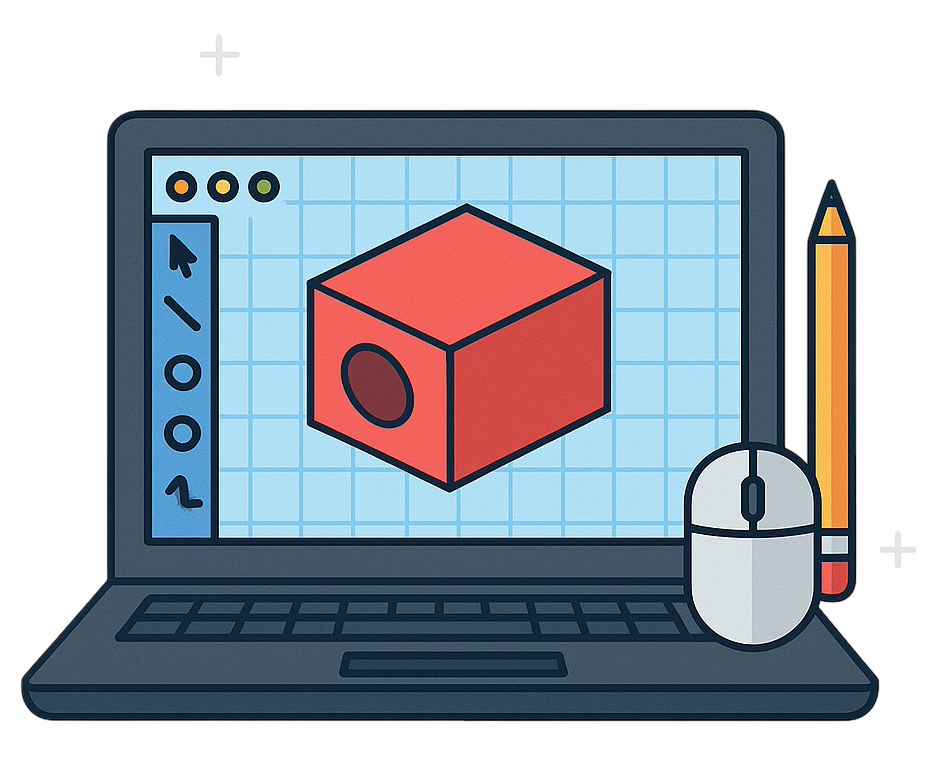
Key benefits of using computers in design
Improved accuracy
CAD reduces human error in measurements and design
Faster design process
Designers can create, modify, and test product designs more quickly
Easy modifications
Designs can be adjusted or duplicated with minimal effort
3D modelling and visualisation
Allows realistic previews of the final product, helping businesses test ideas before physical production
Better collaboration
CAD files can be shared digitally across teams, even globally
Impact on production
Leads to faster product development
Makes customisation of products easier
Improves communication between design and manufacturing teams, especially when paired with CAM (Computer-Aided Manufacturing)
2. Increased use of 3D printers for production
Digital designs are uploaded and the printer produces the product with minimal labour costs
Digital printers have been used to print car engines, houses, food and more
The impact of 3D printing on production
Impact | Explanation |
|---|---|
Cost |
|
Productivity |
|
Quality |
|
Flexibility |
|